

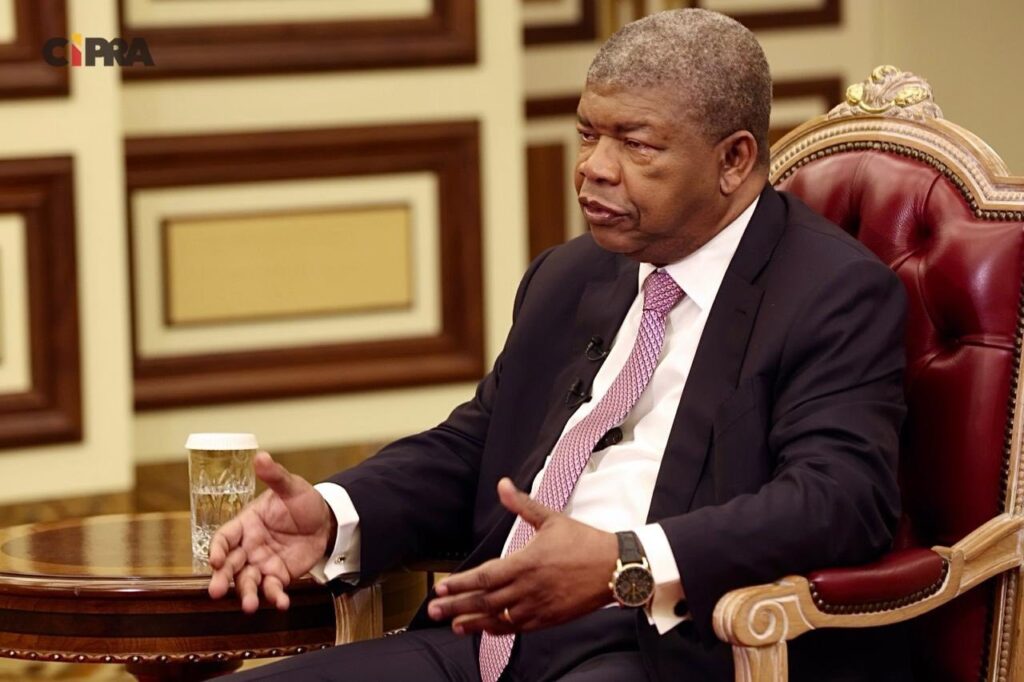
Angola assumed the AU Assembly bureau chairship on 15 February 2025 during the 38th ordinary summit in Addis Ababa, Ethiopia. It’s taking over from Mauritania, continuing the rotating regional chairship as provided for in Article 6(4) of the AU Constitutive Act. It was a leadership transition from north to south.
Unlike its predecessor, which was unprepared due to regional struggles over the AU Assembly leadership seat between Morocco and Algeria, Angola had a full year to hone plans for its tenure. It was part of the outgoing bureau in line with the AU institutional troika, which features the incumbent, the past chair and the incoming chair. As the troika was not limping, as in 2023 during Comoros’ tenure, AU learning was fostered within the Bureau, enabling Angola to prepare better.
Such readiness was evident in the country’s assumption speech, which outlined clear priorities in crucial continental policy, including peace, governance and security, infrastructure, education and human capital development. Given the pivotal role Angola has played in African peace and stabilisation, it had sufficient credentials to thrive. This was notable in the Democratic Republic of the Congo (DRC) crisis, its regional positioning in the Southern African Development Community, its PSC membership and its economic development.
Much was expected from the past chair’s tenure. Angola’s handing over of the AU Assembly leadership to Burundi during the AU 39th ordinary summit in February 2026 was an opportune time to look back on its term. The review focused on achievements and challenges that could offer lessons for the current and future chairs.
Recalling Angola’s priorities
From Angolan President João Manuel Gonçalves Lourenço’s chairship speech during the AU 38th summit, six priorities were identified (see table below). According to the PSC Report, he prioritised peace and security as foundational to development in Africa, in line with the Agenda 2063 ‘silencing the guns’ agenda. Another focus was infrastructure development, which, according to some AU staff, was considered a precondition for the success of the African Continental Free-Trade Area (AfCFTA).