

Since 2021, GDP growth in Angola has rebounded following five years of recession and is forecast to reach between 2% and 3% in the coming years. While the economy remains highly dependent on hydrocarbons, non-oil sectors – including agriculture, information and communications technology, manufacturing and public infrastructure projects – are driving economic activity. Angola has been gradually pursuing economic reforms since President Lourenço took office in 2017, yet declining oil production has highlighted an urgent need for advanced economic diversification in the near term.
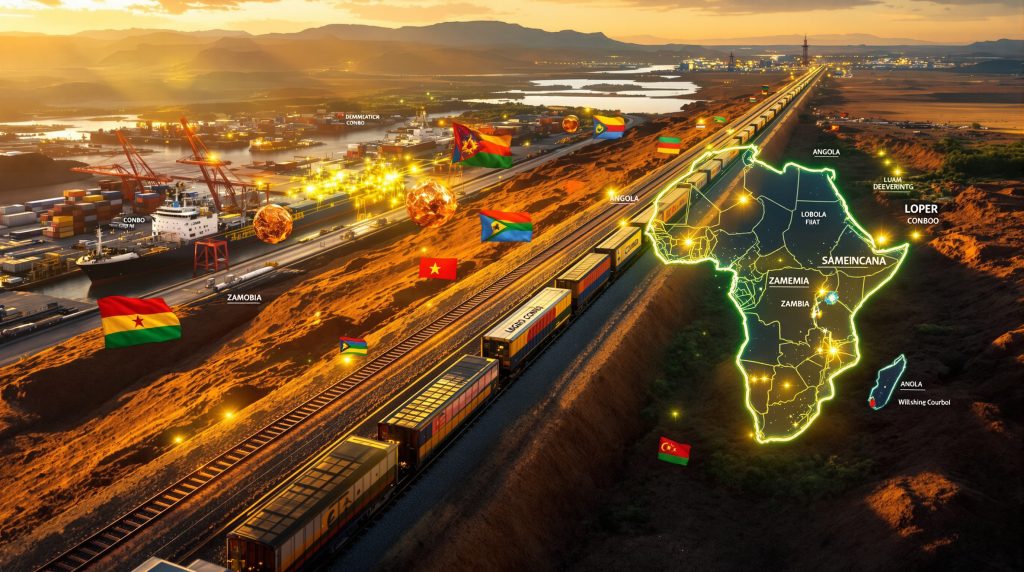
Angola’s investment drive is mainly focussed on agriculture, mining and infrastructure and logistics linked to the Lobito corridor. The latter has been backed by US and EU financing, highlighting Angola’s increased strategic value for the West while China’s dominance as Angola’s primary lender has been decreasing. The corridor connects the Congolese and Zambian copper belt to the port of Lobito, building on Angola’s role as a regional logistics hub while providing transport potential to broader sectors over time. The mining sector (gold, iron ore, copper, uranium, lithium, etc.) holds key potential and is likely to attract more investor attention in time.